
OPINION: The Milburn Report: What it could mean for the jewellery trade
Reading Time:
1 min {{readingTime}} mins
Cheaper young staff for jewellery retailers, bigger grants for small workshops, and a new route into the trade through school work experience. Alan Milburn's long-awaited review of youth unemployment has plenty in it for the jewellery sector. It also has one or two catches.
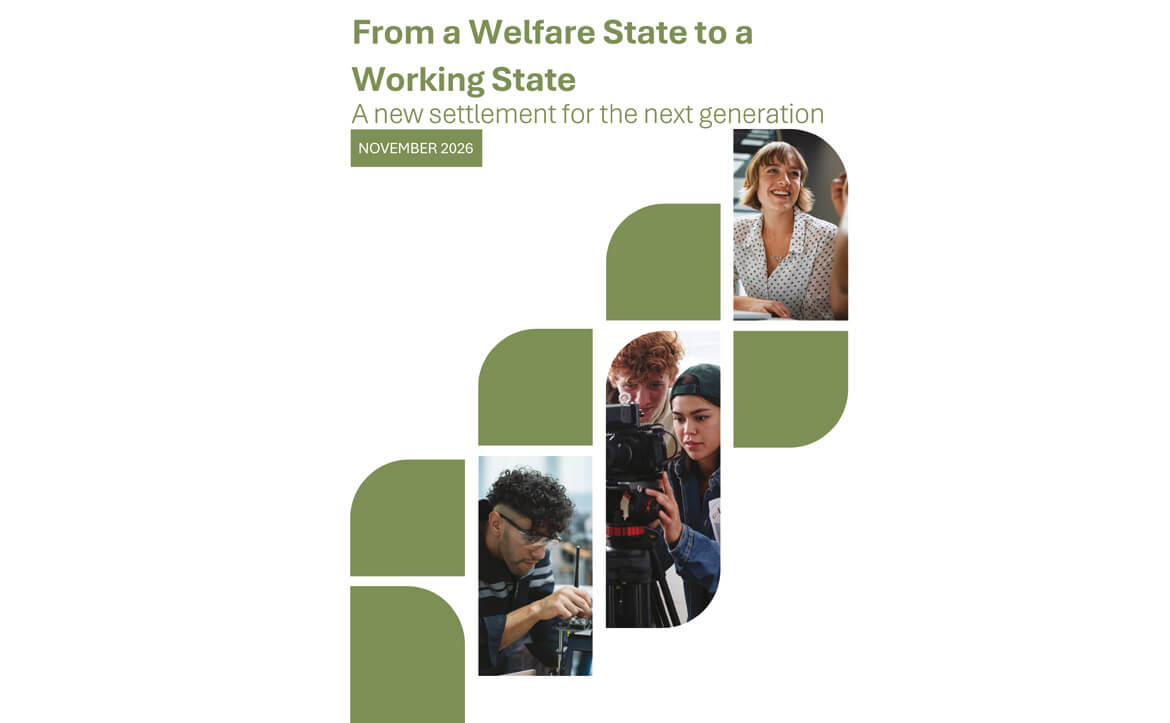
On 17 November, former health secretary Alan Milburn published From a Welfare State to a Working State, the final report of his government-commissioned review into why almost a million young people in the UK are not in education, employment or training. About one in eight 16 to 24-year-olds are currently not earning or learning, and the report sets a goal of bringing that down to around 5% by 2036.
Most of the headlines have been about benefits. For our trade, the employment and skills measures matter more. The jewellery sector depends on small workshops, skilled bench work that takes years to learn, and shop floors staffed by young sales teams. Each of these is affected differently, so we've gone through the report from one end of the supply chain to the other.
One important point first. These are recommendations, not law. The government has backed the report's direction, but the detail is still to come.
Jewellery retail: first in the queue
Retailers stand to gain the most, and soonest. Milburn doesn't recommend a blanket cut to National Insurance for under-25s. Instead, he wants the employer NI threshold for workers aged 21 to 24 doubled from £5,000 to £10,000 over five years. At today's 15% employer rate, that would save up to £750 a year for each eligible employee.
Retail and hospitality would get the change first, because together they employ 37% of all 16 to 24-year-olds. For a high-street jeweller with a young team on the shop floor, the savings would add up quickly.
There is a catch. The report says the change should only come in "when fiscal conditions allow", with the pace set at each Budget, so it could arrive later than hoped. Employers and recruiters have also warned that the guaranteed-hours rules in the Employment Rights Act 2025 could put businesses off taking on young people for flexible and seasonal work. Milburn admits guaranteed hours is the area where he heard the most competing arguments. Anyone who staffs up for Christmas will know why that matters.
Workshops and manufacturers: help to take on an apprentice
Most of the trade works in small businesses, and the report's hiring grants are aimed right at them:
- £3,000 for hiring a 16 to 24-year-old who has been out of work or learning for six months
- an extra £2,000 for firms with fewer than 50 staff
- a further £2,000 for taking on young people who face greater barriers to work
- the £2,500 apprenticeship payment extended to employers who pay the Apprenticeship Levy
- apprenticeships for under-25s funded in full from Levy money
For a workshop that has always wanted to take on a young apprentice but couldn't justify the cost, this could make a real difference. The bench trade has worried for years about how its skills will be passed on, and these grants are a help.
There are two catches. First, the NI cut is only proposed for retail and hospitality, so workshops and manufacturers would miss out.
Second, older apprentices are getting more expensive to train. Under the government's current apprenticeship reforms, once an employer's levy funds run out, its contribution for new apprentices aged 25 and over rises from 5% to 25%. Milburn would go further and cut government funding for over-25s. Many people come to goldsmithing, stone setting, engraving or polishing later in life, after a degree or another career. As training school leavers gets cheaper, training career-changers gets more expensive. Workshops that rely on mature apprentices should watch this closely.
Larger groups and the levy
Big jewellery chains and groups that pay the Apprenticeship Levy should take note. Milburn says the Levy is partly to blame for the shrinking number of opportunities for young people. He wants under-25 apprenticeships funded in full from Levy money and puts the country on a path towards 270,000 under-25 apprenticeship starts a year, with completions doubled over the decade. Levy payers would also be able to claim the £2,500 payment for taking on a young apprentice.
Colleges, schools and the next generation of makers
Schools would have a legal duty to provide work experience. Jewellers, workshops and assay offices should expect more requests from local schools. It is also a real chance to show teenagers that jewellery is a skilled career they may never have thought of.
The report also wants an extra 150,000 18 to 24-year-olds a year in further education. Colleges running jewellery and silversmithing courses may find these useful when they make the case for funding. Under the government's first response, every young person is to be guaranteed a funded college place.
The smaller print
A few other recommendations could reach jewellery businesses:
- Public contracts. Youth employment would become a required social-value test for public contracts worth more than £5m that create real demand for workers. This would only affect a handful of firms, such as makers of civic regalia or awards on large contracts.
- A Youth Opportunity Test. A legal test would check future public policy changes for their effect on young people.
- Sickness absence. Responsibility for long-term sickness absence would move out of general practice, with GPs keeping clinical care. That could change how employers manage absence and returns to work.
- Youth pay. The Low Pay Commission would have to weigh how fast youth minimum-wage rates catch up with the adult rate against the risk to young people's jobs.
What happens next
The government has already backed the report's principles. On the day it was published, ministers committed to a new Opportunity and Support Guarantee, so that every young person has a route into college, training, an apprenticeship, good-quality work experience or a job. They also committed to new locally led youth services from next year, and a Youth Opportunities Unit reporting directly to the Prime Minister, with Alan Milburn as its chair.
The parts that matter most to employers have not been decided yet. The government's first response says nothing on National Insurance or hiring grants. A full response is promised "in the coming weeks", with a White Paper to follow next year.
Business groups have welcomed the direction but say employment costs remain the main barrier. The CBI's Rain Newton-Smith warned that rising costs make it harder for firms to create entry-level roles.
For the jewellery trade, the picture so far looks like this:
- Retailers could get cheaper NI on young staff, though maybe not soon.
- Small workshops get the biggest boost to hiring and training school leavers.
- Training adult career-changers is getting more expensive.
- Schools would offer the trade a new way in through work experience.
We'll be following the government's full response closely and will report back on what it means for the trade. Let us know how these proposals might affect your business.
Read more
- From a Welfare State to a Working State: a new settlement for the next generation (the Milburn report, GOV.UK)
- Government commits to new settlement for young people and to invest in success rather than pay for failure (Department for Work and Pensions press release, GOV.UK)
Author:
Published: