FEATURE: What are the benefits of buying pre-owned jewellery?
Reading Time:
1 min {{readingTime}} mins
In recent years, there has been a significant shift in the world of jewellery.
While new jewellery will always have a place in the market, a growing number of collectors, designers, and buyers are turning their attentions to something with a little more history; pre-owned jewellery.
All the indicators point towards the fact that this does not appear to be a passing trend, quite the contrary, in fact. It’s a reflection of the growing sustainability movement, people seeking to support circular economies, and changing consumer attitudes towards luxury goods and how people spend their cash.
In the grand scheme of things, all of these recent occurrences make a lot of sense; jewellery is perfectly suited to resale after all. Precious metals and gemstones don’t expire, true craftsmanship endures the test of time, and whilst style changes, quality remains.
Much like the meteoric rise of second-hand fashion platforms, the market for second hand jewellery is gaining momentum and showing no signs of slowing down.
In fact, many in the industry believe this second hand revolution is only just getting started, so let’s take a look at the benefits of buying pre-owned jewellery and how it can impact your collection.
The Enduring Appeal of Vintage
Jewellery has always appealed to us not simply as a way to accent or elevate an outfit, but as an expression of personality.
If you’ve ever explored curated collections of vintage items, things quickly become clear; older jewellery contains two elements that are missing from lots of today’s productions.
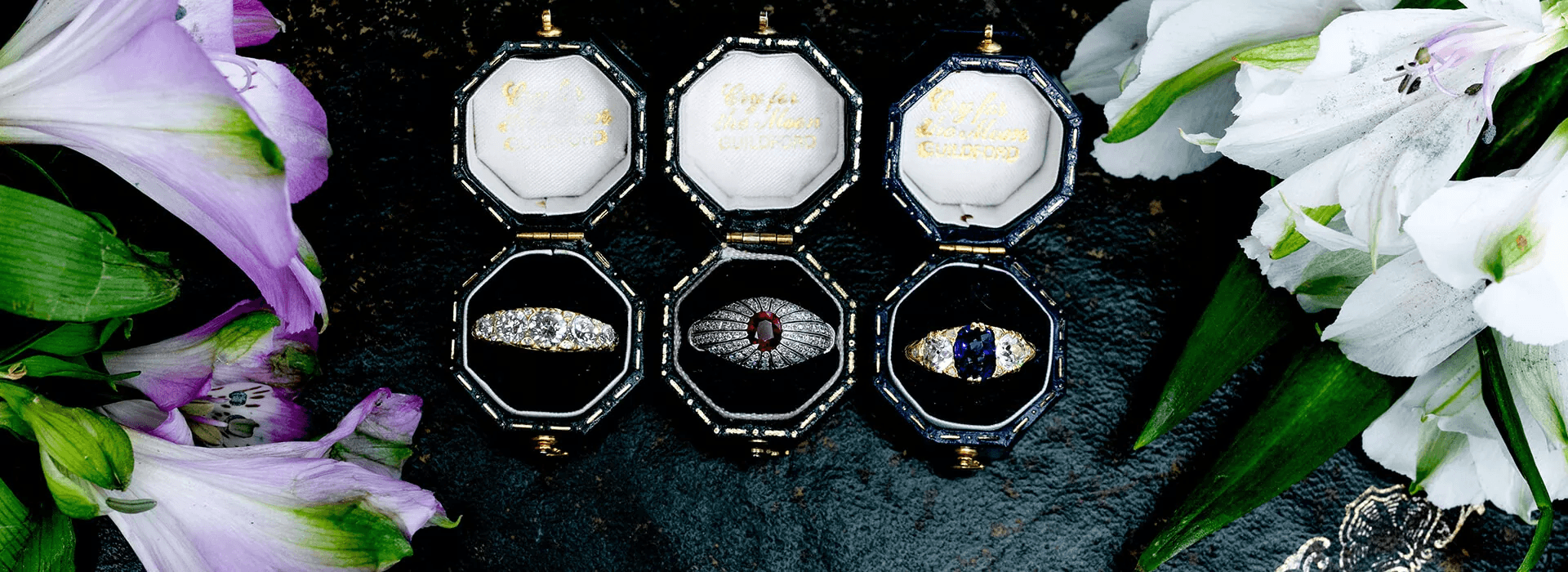
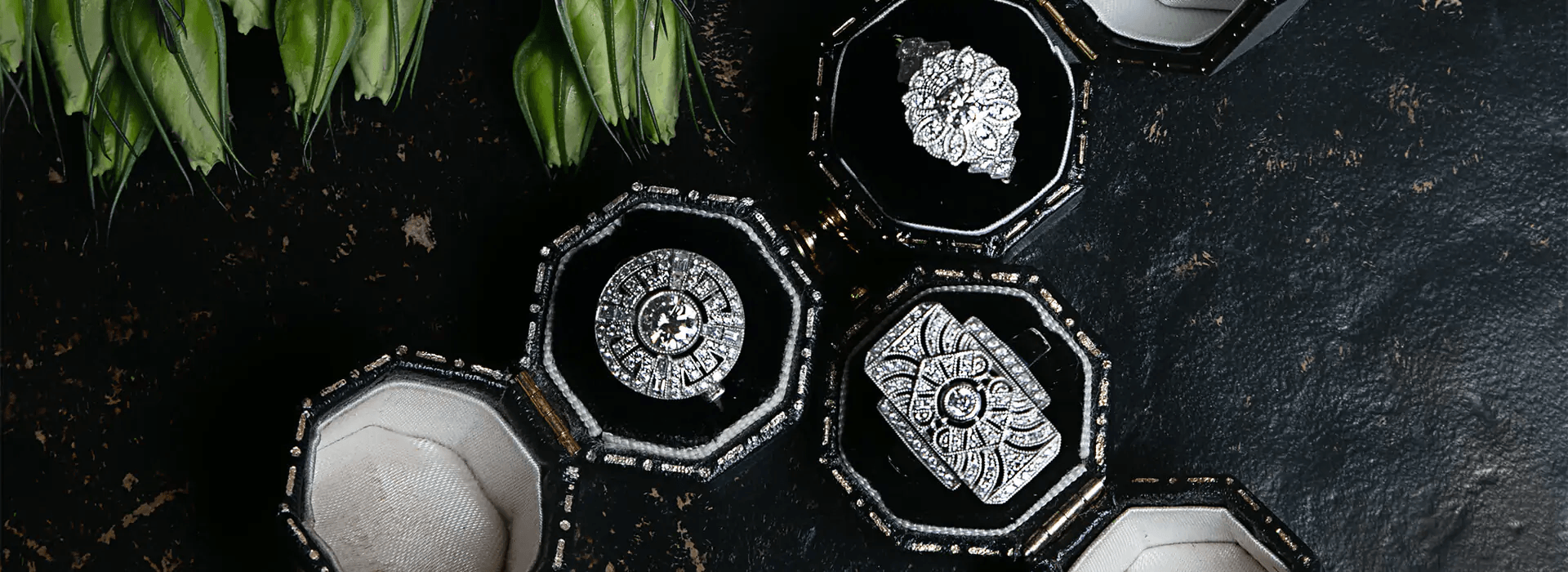
Firstly, the level of craftsmanship in a gorgeous handmade vintage engagement ring from the past is something that has been lost in today’s world of precise machinery and design. The spirit that is imparted into the piece by the hand that made it is something that can never be replicated.
Secondly, antique jewellery already has a story. It has a history, a place in the past; it has been loved in another lifetime. Imagine the stories these items would tell us if they had the ability to communicate.
The romance and intrigue that is displayed in blemishes, imperfect settings, or simply that rustic glow that antiques take on, speaks to us on a whole new level.
When these two factors are combined, it’s easy to understand why antique jewellery has such a hold on us.
They come from an era when things were hand-finished to perfection, built to last generations instead of catering to passing trends, and exist through the ages.
Our modern jewellery still draws inspiration from these styles and techniques, although collectors and enthusiasts know modern interpretations will never capture the spirit of a truly special antique piece, and they will never have the soul of an antique.
A Natural Fit For a Circular Economy
The Jewellery sector, and indeed the consumer market in general, is discussing sustainability on an ever growing scale, so naturally, resale markets will play a huge role in the future of many industries.
This is an indicator that not only will items like modern second hand jewellery maintain their value, but they might actually increase in value as these new resale markets develop; with this in mind, it’s easy to envisage vintage jewellery following suit.
Despite the fleeting nature of trends that appear to have when they first appear on the scene, the resale of vintage jewellery has the potential for real longevity.
So, as jewellers experiment and create marketplaces for preloved contemporary jewellery, recognising the potential for a more cyclical model of consumption will certainly apply to the entire sector, but what does this mean for the consumer?
In practical terms, buying second hand jewellery extends the lifecycle of materials that are already rare and resource-intensive to extract, but for the day-to-day customer, it offers the opportunity to own pieces that truly have soul.
Having more opportunities to buy and sell vintage pieces will allow designers and retailers to offer wider restoration programmes or offer redesign services, and the general public will have more access to an area of the market that may previously have seemed intimidating.
If you’re looking to take part in the cyclical trade of jewellery, purchase pieces to which you can add your own story, or explore the past through items that have spanned generations, then get ready for the re-seller’s market we’re about to enjoy.
Distinctive & Discontinued Designs
One of the many reasons that pre-loved jewellery is having a major resurgence is actually quite simple; the sheer originality of vintage pieces is unrivalled.
Many of the most desirable vintage pieces will come from limited production runs, independent workshops that have long since ceased to exist, or even better, completely unknown sources.
For buyers seeking individuality in their purchases, there can be no better result than the one that is beautiful, well-made and completely impossible to link to a designer or jeweller.
We all know that originality is hard to come by in the modern world, and of course mimicry is the most sincere form of flattery, but the point stands that vintage pieces come from an uncomplicated time when designs were unique, eye-catching and created with a message, not just to sell.
Vintage collections will always offer a compelling alternative to mass produced designs for this reason, and will help to drive interest among those who appreciate the stories behind individual pieces, as much as the pieces themselves.
Design archives, estate jewellery and auction catalogues often reveal fascinating shifts in gemstone preferences, metalwork techniques and aesthetic trends, so if you’re looking to find pieces befitting the latest trends, staying on top of the market’s news is a very good idea.
Make the most of these gifts from the past and add items to your collection that cannot be found anywhere else.
Greater Value & Extraordinary Quality
With the rise of mass produced pieces flooding the market in the last two decades, it’s all too easy to pay top dollar for an item that is one of ten thousand just like it.
As the world tightens restrictions on mining and material prices continue to rise, techniques have shifted, and machines have become more accurate, a certain ‘je ne sais quoi’ has been lost.
Unlike many consumer goods, precious metals and gemstones retain inherent worth; a gold ring can be 100 years old and the gold it’s made from will still be worth the market value, despite all that use.
Rather fascinatingly, in the jewellery industry, once a piece enters the resale market, its worth is often reflective of the design desirability, rather than the raw material cost alone.
This means that anyone can get their hands on a piece that is truly special, getting the chance to own something worth far more than what they paid, whether it’s due to material value, or simply because it’s not currently on trend.
We can find pieces that are vintage or antique on the market going for a similar price to big-name brand, mass produced, expensive items; and yet, the vintage piece will tell a story, likely be hand finished, and offer the secrets of a bygone era of skilled jewellers.
In short, you can pick up a piece that is exquisitely made for the same price as a mass-produced, soulless item. The value speaks for itself.
From the industry’s perspective, this price availability broadens the audience hugely for fine jewellery, and allows regular people onto the scene, rather than pricing them out from the get-go.
New generations of buyers scour the markets for pieces that are soon to be in style, lending the market authenticity, accessibility, and the excitement of finding a piece that offers the vintage charm we all seek.
The Future of Jewellery Might Well Be in The Past
If recent changes to the industry show us anything, it’s that consumer attitudes towards the ownership of jewellery are changing.
Rather than always seeking the newest piece from the latest big name, people are increasingly turning to items with an existing story, character, provenance, and staying power.
People are looking to the past for pieces that they will wear well into the future. Pieces that defy trends, somehow go with anything and offer a quality seldom found in today’s market; more and more people are buying second hand jewellery.
Pre-owned jewellery is becoming its own niche category, making space for itself in today's market and representing a shift in how people think about sustainability, design, and value.
For the jewellery industry, the message is as clear as daylight; the future may not always lie in creating something new.
Sometimes, true value, true meaning, and true desire lie in rediscovering something that already exists, then giving it a new chapter.
Author:
Published: